Plants with Purpose: Growing Health, Connected Urban Ecosystems for People, Climate and Nature
Posted on
The Scottish Forestry Trust is currently supporting a PhD through the Royal Botanic Garden Edinburgh’s ‘Plants with Purpose’ programme; we are delighted to be able to play a part in this exciting and timely project. The student undertaking the PhD, Lindis Kipp, recently attended the inaugural Plants with Purpose Knowledge Exchange and shared her thoughts and experiences of the event with the Scottish Forestry Trust:
The Royal Botanic Garden Edinburgh’s Plants with Purpose programme aims to build evidence for how plants can help Scotland’s urban areas cope with flooding and extreme temperatures while restoring biodiversity and supporting landscape-scale nature recovery. As the programme reaches its halfway point, the inaugural Plants with Purpose Knowledge Exchange took place on the 26th and 27th of October 2026 at the RBGE, bringing together practitioners and researchers from the public and non-profit sectors together with academics and others with an interest in using plants in Nature-Based Solutions. The Knowledge Exchange offered the opportunity to listen to case studies, attend workshops and discuss with others what is already happening and where we want to go with Nature-Based Solutions (NbS).
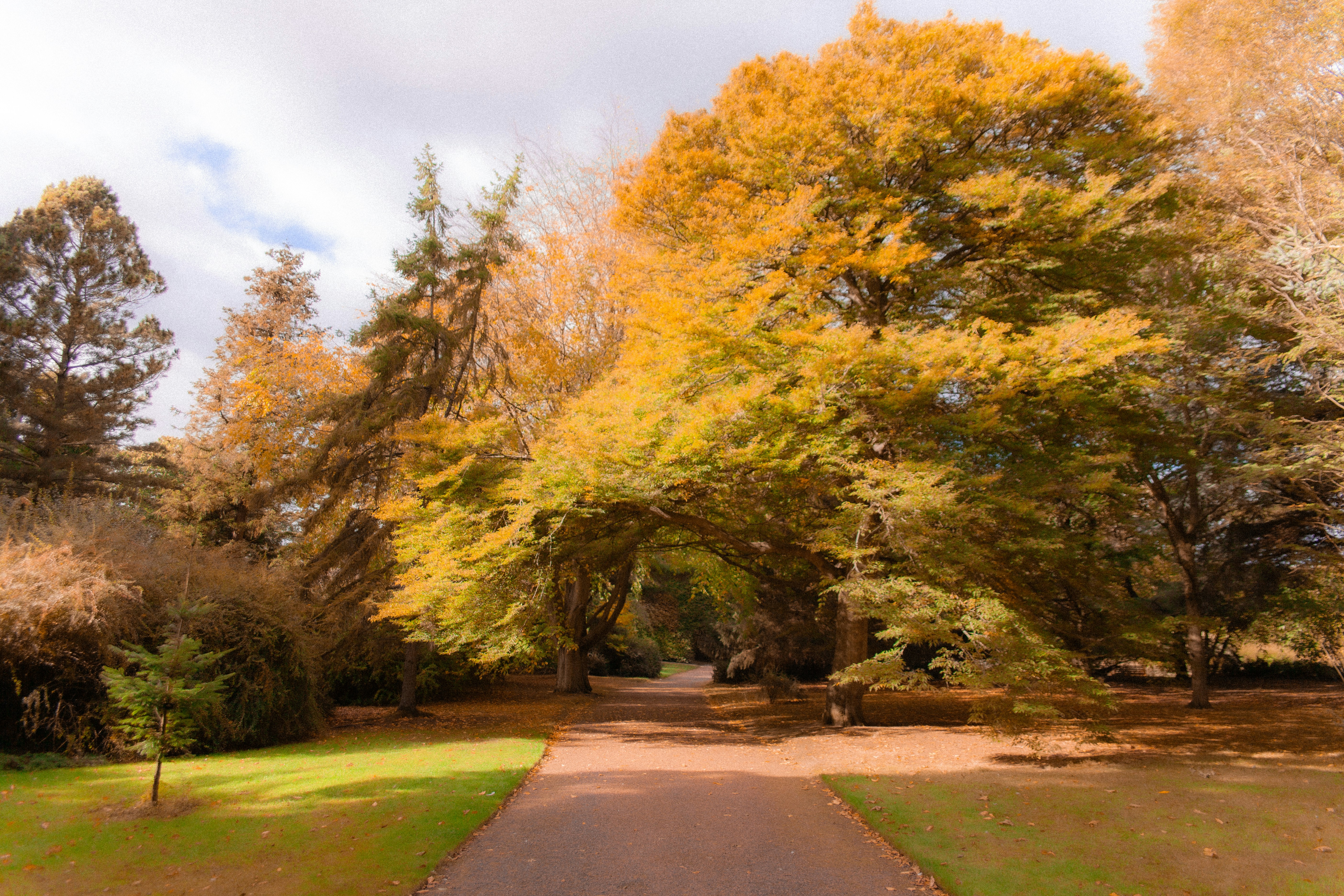
The Royal Botanic Garden Edinburgh
On the first day, the event was started with a passionate talk by John Little, ecological designer and public horticulture advocate, about the necessity of continued and careful maintenance of public greenspaces and the importance of gardeners as expert caretakers. This was followed by a series of case studies from nature-based solutions in Scotland’s major urban centres, highlighting the diverse work that is already happening, including the Climate Forests, Glasgow’s Sustainable Drainage Partnership and Scottish Water’s nature-based solutions for wastewater treatment.
During lunch, the Scotland NbS Hub was relaunched at a Lunch & Learn session and a drop-in session on NatureScot’s Scottish Planning and Biodiversity Metric and Developing with Nature Guidance was available too.
For me, the afternoon was most important. There were three workshops: Planting for Pollinators, Working with Water and Seeing the Trees. I was one of the facilitators of the latter, and the session was designed to assess current monitoring of the urban forest in Scotland. Despite a strong focus on and significant investment in urban tree planting, there is still limited evidence for the ecological condition, connectivity and biodiversity value of these urban forests. My PhD research will address these gaps through the establishment of an Urban Forest Observatory, aiming to set up monitoring at scale to assess these variables and their influences. Getting the opportunity to engage key stakeholders and practitioners at this early stage of the PhD was incredibly fortunate.
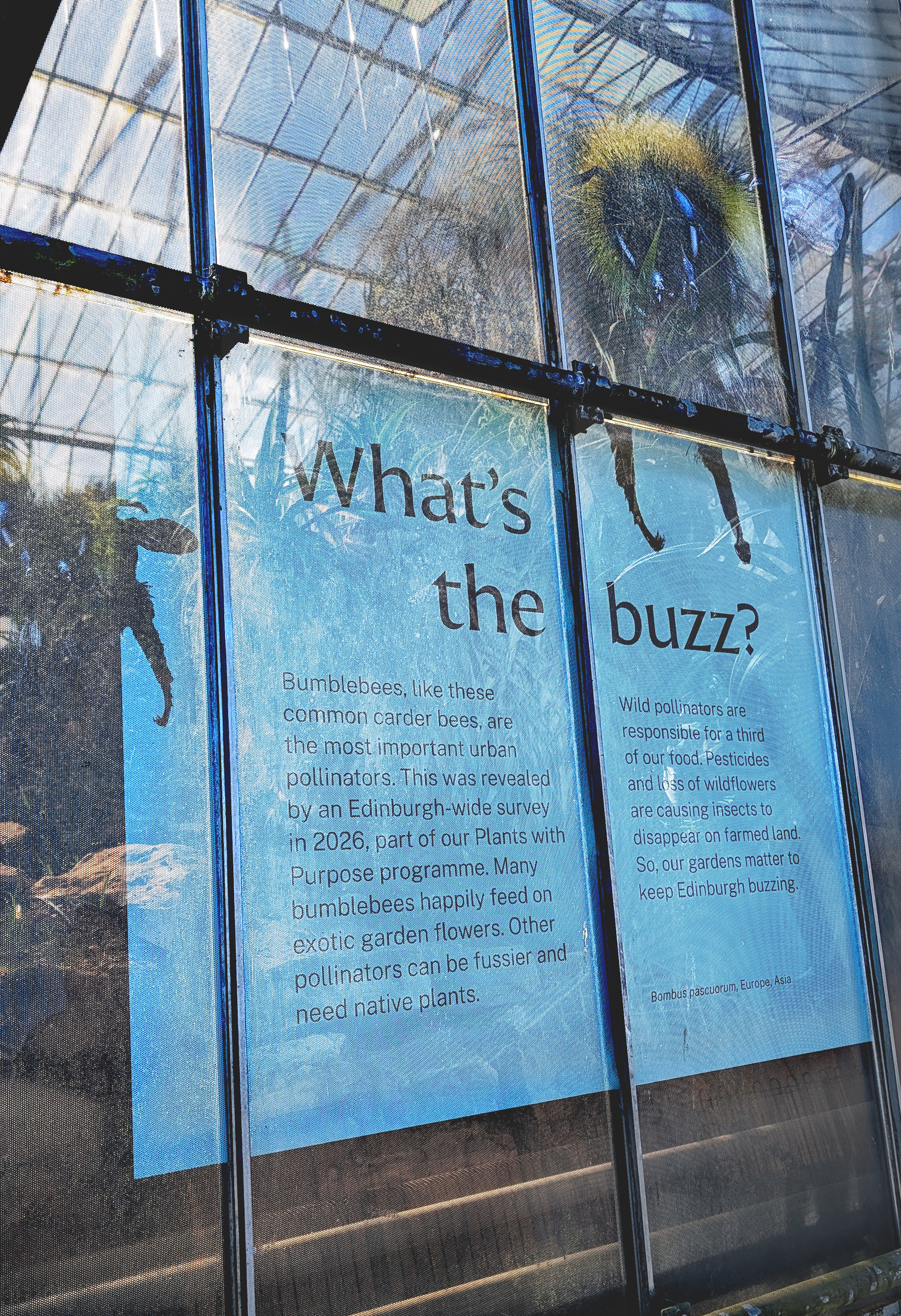
An informational poster about Plants with Purpose at the recently reopened Palm Houses, RBGE
Through a series of indoor and outdoor tasks, participants were encouraged to consider how we know an ecosystem is healthy and performing well, as well as how this knowledge may feature in planning and maintenance design. The predominant theme which emerged from discussions was the importance of people and community, both as beneficiaries of any ecosystem services and as active stewards involved with and connected to the land they live on. The challenges of monitoring ecosystem health and biodiversity became apparent throughout the workshop, as well as the lack of current universal monitoring approaches in the urban forest. The workshop identified key good practices and knowledge gaps for the future, which will be written up as a Brief Report in Plants, People, Planet.
The second day opened with key reflections from all three workshops and a panel discussion about where NbS should head next. Continued high winds after Storm Boelo meant that the Walking Conversations were converted to indoor sessions, but they still generated plenty of fruitful discussion. I joined the Urban Ecosystems in Practice session, which asked how we design, deliver and measure healthy, connected urban ecosystems. What stood out to me was the mismatch between ambitious planting plans and the realities of delivering them. Nurseries need lead time to grow plants, especially species they don’t normally stock, and they need some guarantees that those plants will be bought. Maintenance continued to emerge as another constraint: Caring for sites with regards to biodiversity requires skills and knowledge of what the site is aiming to achieve. While those can be taught, work is often passed down a chain of ever-changing subcontractors, and the necessary information might get lost. All this sits within the landscape of funding cycles and other pressures.
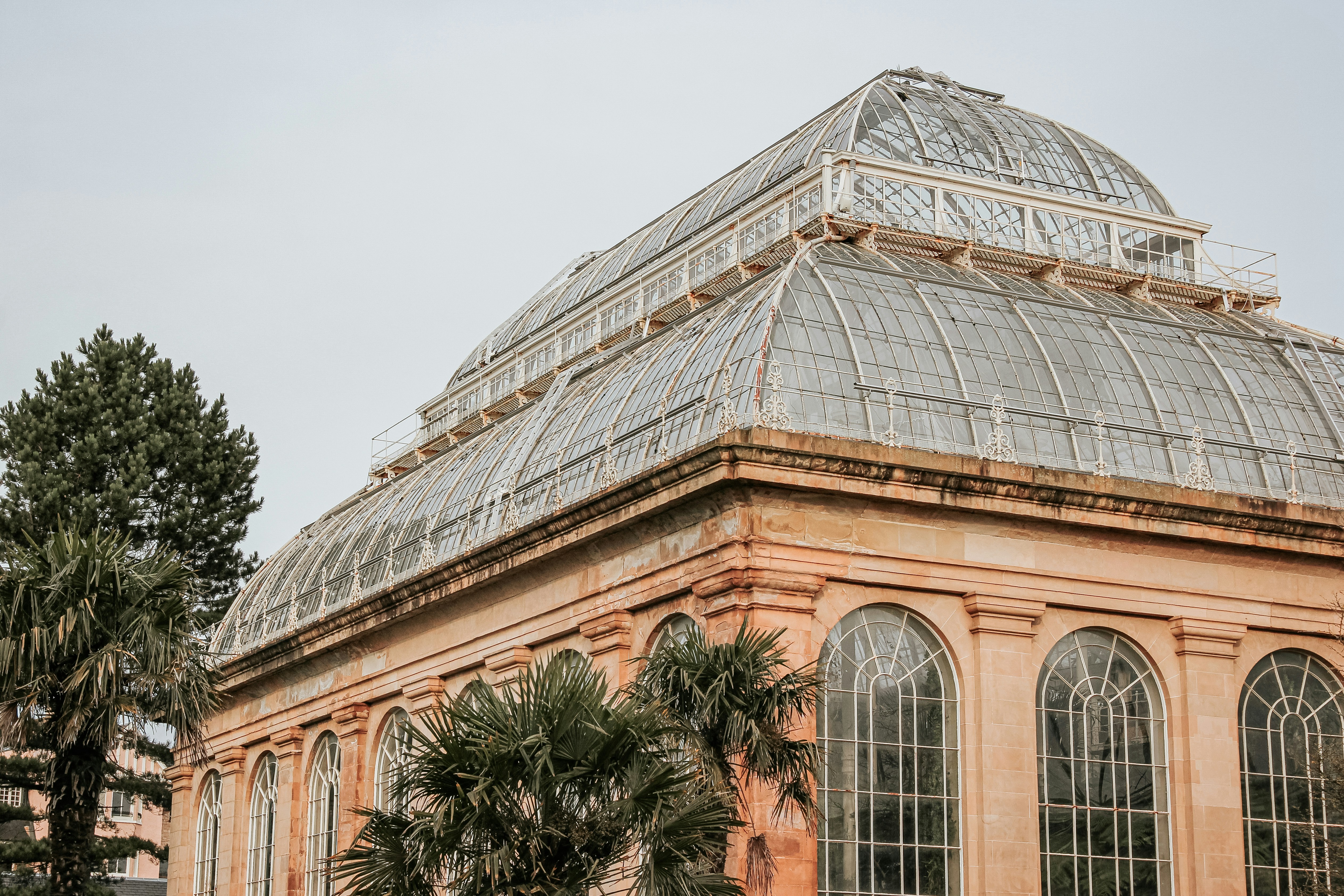
The Royal Botanic Garden Edinburgh
The Knowledge Exchange concluded with an afternoon plenary including case studies of best practice, with a talk by David Treanor from Treewise about building connections between people and the trees they live with a particular standout. The closing reflection by Clive Mitchell (Head of Terrestrial Science at NatureScot) expanded beyond the immediate practicalities of NbS to the wider efforts needed to tackle climate change and biodiversity loss.
I hope to address some of the challenges which emerged throughout the event in my PhD. I started in October 2026 and am based jointly at RBGE and the University of Stirling as part of the Plants with Purpose programme. I am very grateful to the Scottish Forestry Trust for match-funding my PhD and look forward to sharing updates as the project progresses.
- Posted under:
- Urban Forestry