
Brining science and practice together: Pro Silva Annual Meeting 2026 in Visegrád, Hungary
Posted on
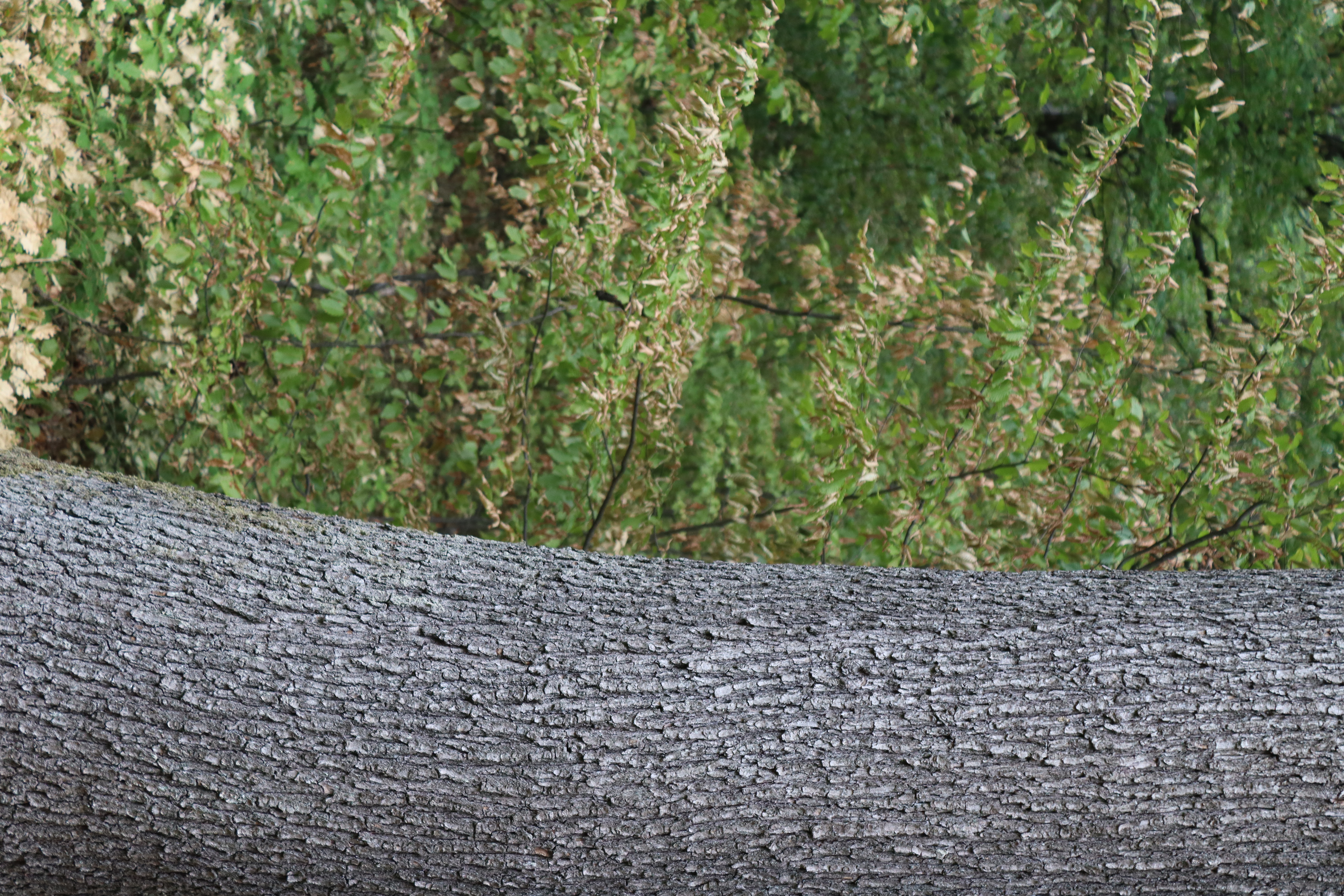
Ben Wilson, University of Stirling
The Scottish Forestry trust recently supported Ben Wilson, a PhD researcher at the University of Stirling, in attending the Pro Silva Annual Meeting held in Visegrád, Hungary from 9 – 11 September 2026. Throughout this blog post, Ben shares his reflections on the meeting, knowledge exchange, field visits and the insights he gained. This experience has developed his knowledge and understanding of how close-to-nature, or continuous cover forestry (CCF) management from Europe could be applied in the UK.
My field of research at the University of Stirling is exploring the effects of implementing CCF in Scotland. This work focusses on how a transformation from even-aged forest management, to CCF could affect biodiversity, through using moths as woodland specialist bioindicators and soil environmental DNA analysis for fungi and arthropod diversity.
Through my membership and appointment as a trustee of Pro Silva Britain (Formerly the Continuous Cover Forestry Group), I was given the opportunity to represent both PS Britain and the University of Stirling at the Pro Silva Annual Meeting in Hungary. The theme of the meeting was practice and science in partnership: Hungary’s continuous-cover forestry for biodiversity and consisted of both research presentations and fieldtrips to demonstrate CCF management research and real-world examples. The meeting was attended by 23 Pro Silva member countries from across Europe, providing rich knowledge exchange and perspective.
Day 1 of the meeting consisted of a selection of presentations to both set the scene of forestry in Hungary, and to highlight some of the current applied research projects. Like most countries in Europe, the effects of world war one resulted in a reduction of forest cover. For Hungary, a forest cover of 26% was reduced to only 11.8%. Through extensive afforestation across the country in the 20th century, the forest cover has now reached 22% (2.08 million hectares, Figure 1). Many forests are state owned (56%), with a smaller proportion privately owned (44%) – there are a very small number of community owned forests. The main productive species are: Turkey oak (Quercus cerris), sessile oak (Quercus petraea), pedunculate oak (Quercus robur), downy oak (Quercus pubescens) common beech (Fagus sylvatica), hornbeam (Carpinus betulus) and black locust (Robinia pseudoacacia), Poplar (Poplus sp.) clones with minor coniferous species (Scots pine, pinus sylvestris; Norway spruce, Picea abies; European black pine, Pinus nigra). The main forest management type is rotational forest management (90.4%) with the remainder made up of close-to-nature management: uneven-aged silvicultural systems (1.7%), transformation systems (3.1%), non-timber production systems (4.8%). Close-to-nature forest management is expanding in cover, currently with 34, 000 hectares, supported by legislation, professional training and societal demand. To further establish close-to-nature principles, the Hungarian Forest Act of 2009 was introduced which formally defined each silvicultural system (even-aged, uneven-aged, transition, and non-timber Production). As a result of this, there are strict regulations on harvesting intensity relating to basal area, and species specific residual basal areas for beech and oak forests. Further, there is a maximum size for canopy gap openings (0.25 ha), but no limit on the size of clear-cut unlike other EU countries such as Slovenia, Czechia or Poland.
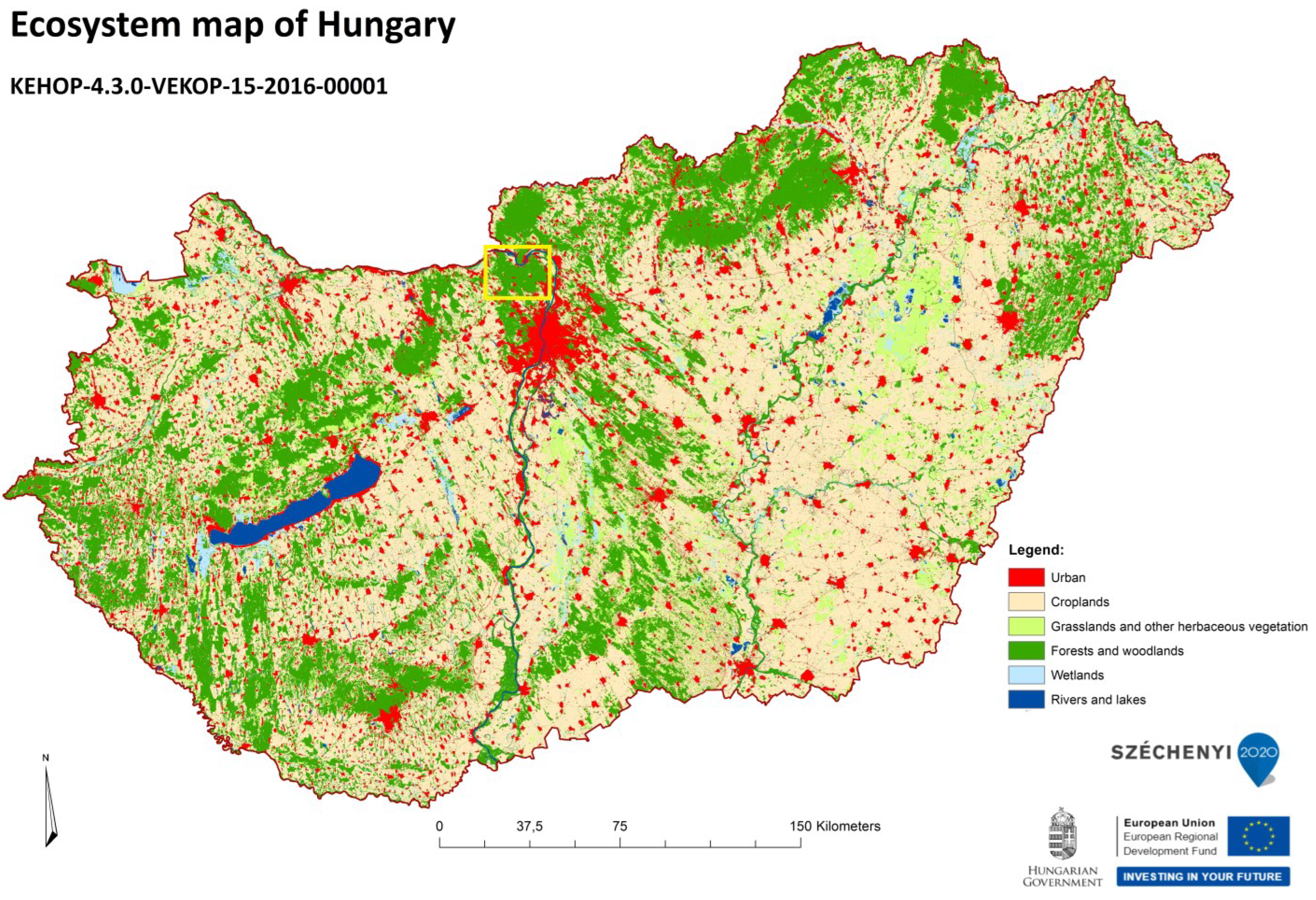
Figure 1 – “Ecosystem map of Hungary highlighting the Pilis Forest in the yellow rectangle (Széchy and Szerényi, 2023)”
The research presentations were led by Péter Ódor (HUN-REN Centre for Ecological Research) and Tibor Standovár (Associate Professor at L. Eötvös University). Tibor Standovár’s research was a landscape scale desk-based analysis of forest inventory and forest type data to more accurately assess the ‘naturalness’ of forest stands across Hungary. This development could be further analysed in order to identify forest stepping-stones to support biodiversity and assisted migration of specialist species.
Péter Ódor introduced the research connected to the Pilis Forestry Systems and Pilis Gap Experiments projects established in 2014 and 2018 respectively. The forestry systems aspect compares the treatments of the shelterwood system through clear-cutting, retention tree groups and artificial gaps. The forest type is oak-hornbeam, planting year 1942 and an area of 40 ha. The gap experiment aspect looks the effect of creating artificial gaps on forest characteristics and processes. The forest type is again oak-hornbeam, planting year 1932, with an area of 10 ha. A range of gap shapes, sizes and temporal intervention are applied along with controls across six replicates. Both projects continuously monitor soil and litter conditions, microclimate, community changes of several groups of organisms (Enchytraeids, ground beetles, spiders and soil microbiome). Additionally, ground flora and individual tree seedlings are measured. The overall aim is to explore the effects of forest management practice interventions linked to biodiversity, natural regeneration and climate change mitigation. Both projects were visited on subsequent days. The repository of all related research can be found here.
The first day of field trips was to the Pilis Forestry Systems (Figure 2) and Pilis Gap Experiments projects. Hosted by Péter Ódor, Flóra Tinya, Bence Kovács from the HUN-REN Centre for Ecological Research. First, we were led through the various treatments (Figure 3) of the shelterwood system in the Pilis Forestry Systems experiment. The outcome of these interventions, measured on a microclimatic and multi-taxa level are unsurprisingly complex with winners and losers throughout. Ultimately, the clear-cut treatments resulted in conditions which were unfavourable for forest biodiversity. This appears to be linked to an increased range in daily temperature, lower air humidity and an increase in light. Further, the abundance of non-forest specialists increased, while the abundance of specialist species is reduced. Conversely, the CCF treatments provided favourable soil, regeneration, light and temperature conditions for both faunal biodiversity and regeneration.
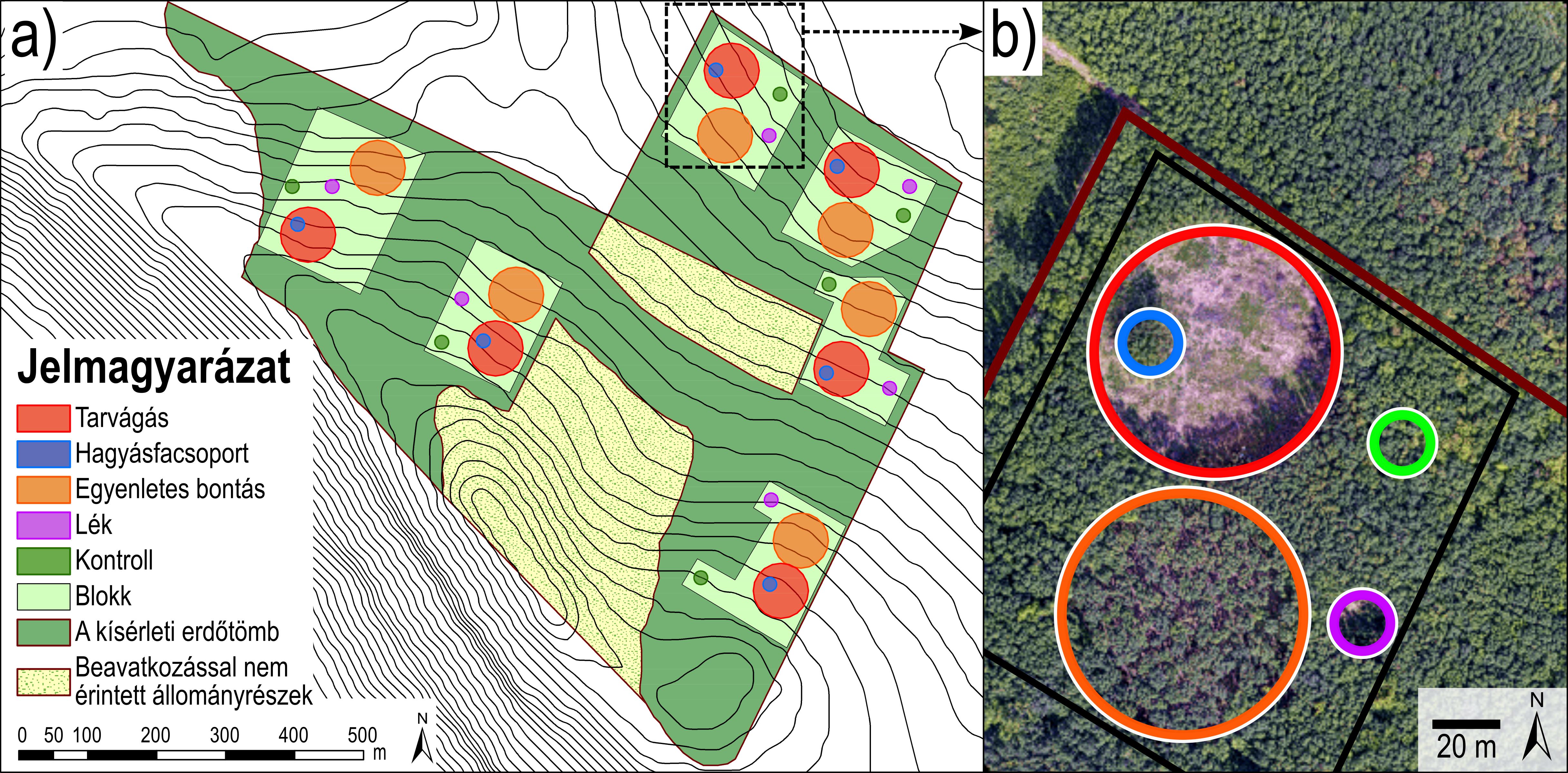
Figure 2 – “The treatments and replicates of the Pilis Forestry Systems Experiment (Pilis Experiment Repository, No Date)”
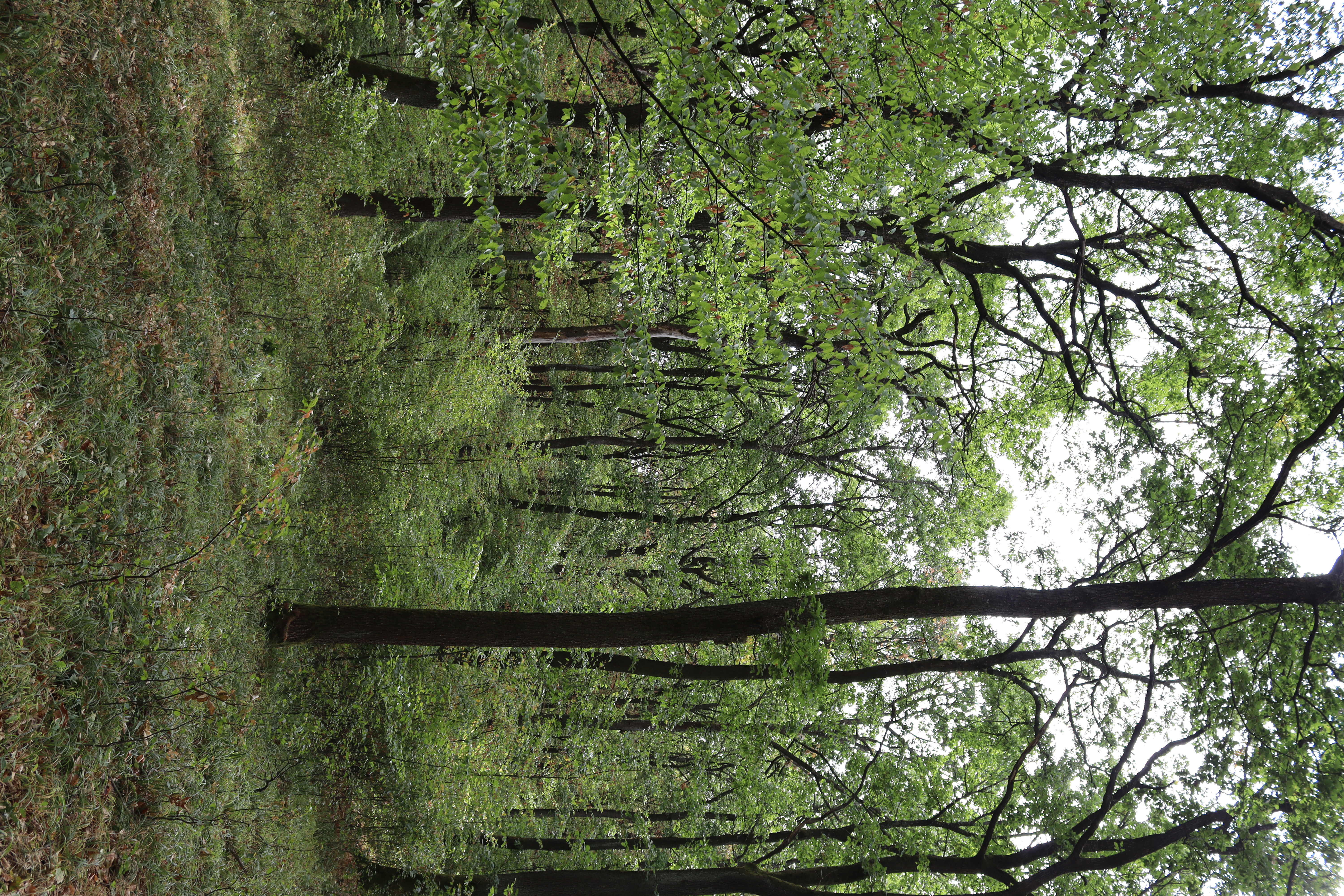
Figure 3 – “Gap cutting treatment within the Pilis Forestry Systems Experiment (Source: Ben Wilson, 2026)
and temporal intervention (entire gap created at one point in time/transformation from rectangular to circular across a timeframe) (Figure 4). Each of the six replicates (36 plots) contain a control which represents a closed forest canopy (Figure 5). Additionally, the entire forest is fenced. Unsurprisingly, they found that direct and indirect light increased in all gap treatments. However, there was a north-south range in intensity across all treatments, north with higher values than south. Indirect light was more balanced across the north-south range. Considering soil moisture, the values increased across the treatments, more so in the central and southern parts of the gaps. Above and below ground temperature was found to be related to the light and moisture effects. It was found that the small rectangular treatment resulted in the highest oak sapling regeneration. However, in the long-term, this treatment does not support regeneration enough to establish and maintain growth. As a result, the temporal intervention to transform from rectangular to circular gap was carried out. This enabled the oak to achieve an acceptable increment due to the shift to a lower soil moisture level – higher soil moisture is more favourable to hornbeam. Additionally, in some cases, competition from hornbeam was managed using the stem snapping method pioneered by the French foresters.
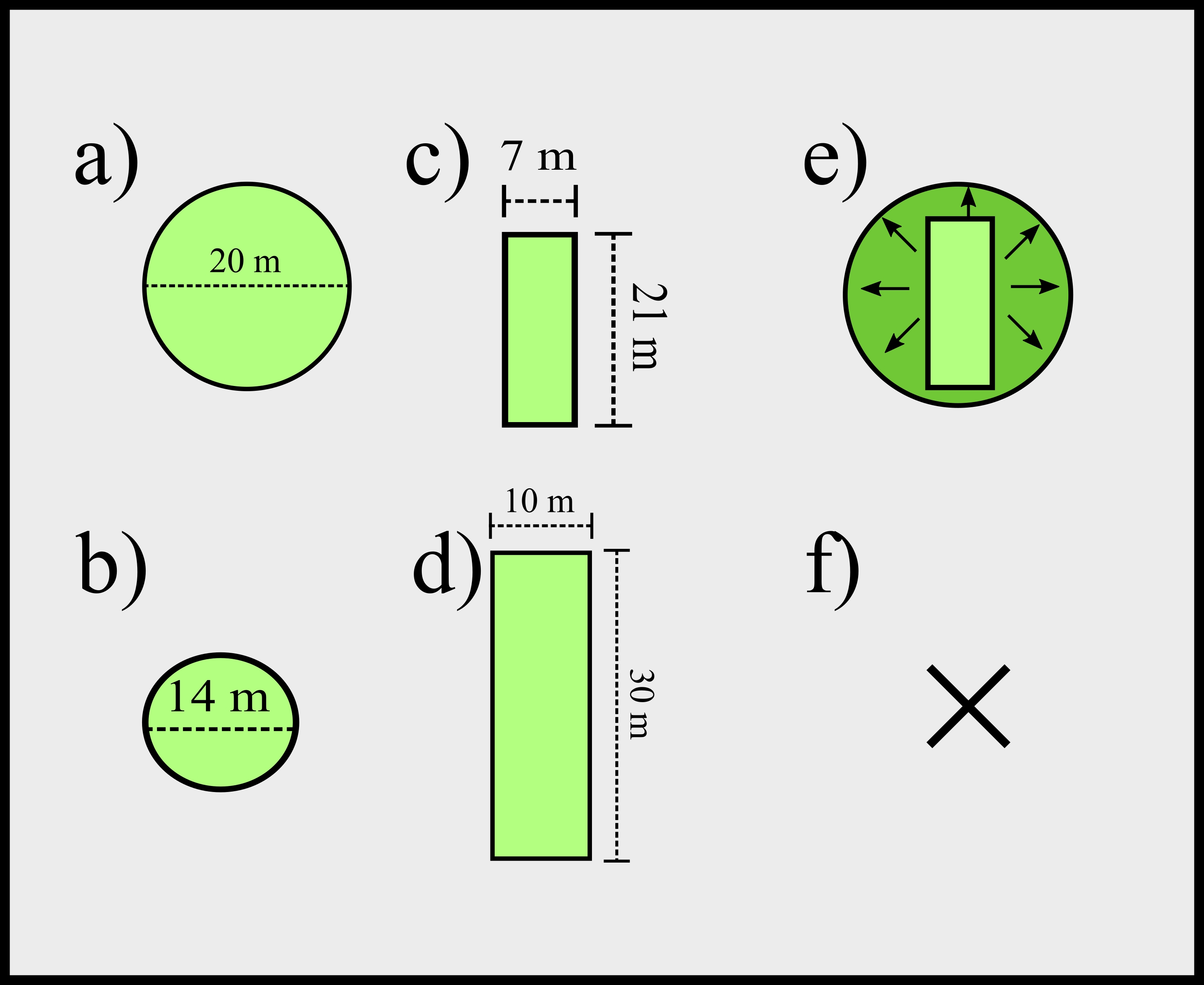
Figure 4 – “Gap types used in the Pilis Gap experiments. a) small circular, b) large circular, c) small rectangular, d) large rectangular, e) small rectangular to large circle transformation, f) uncut control. (Pilis Experiment Repository, No Date)”
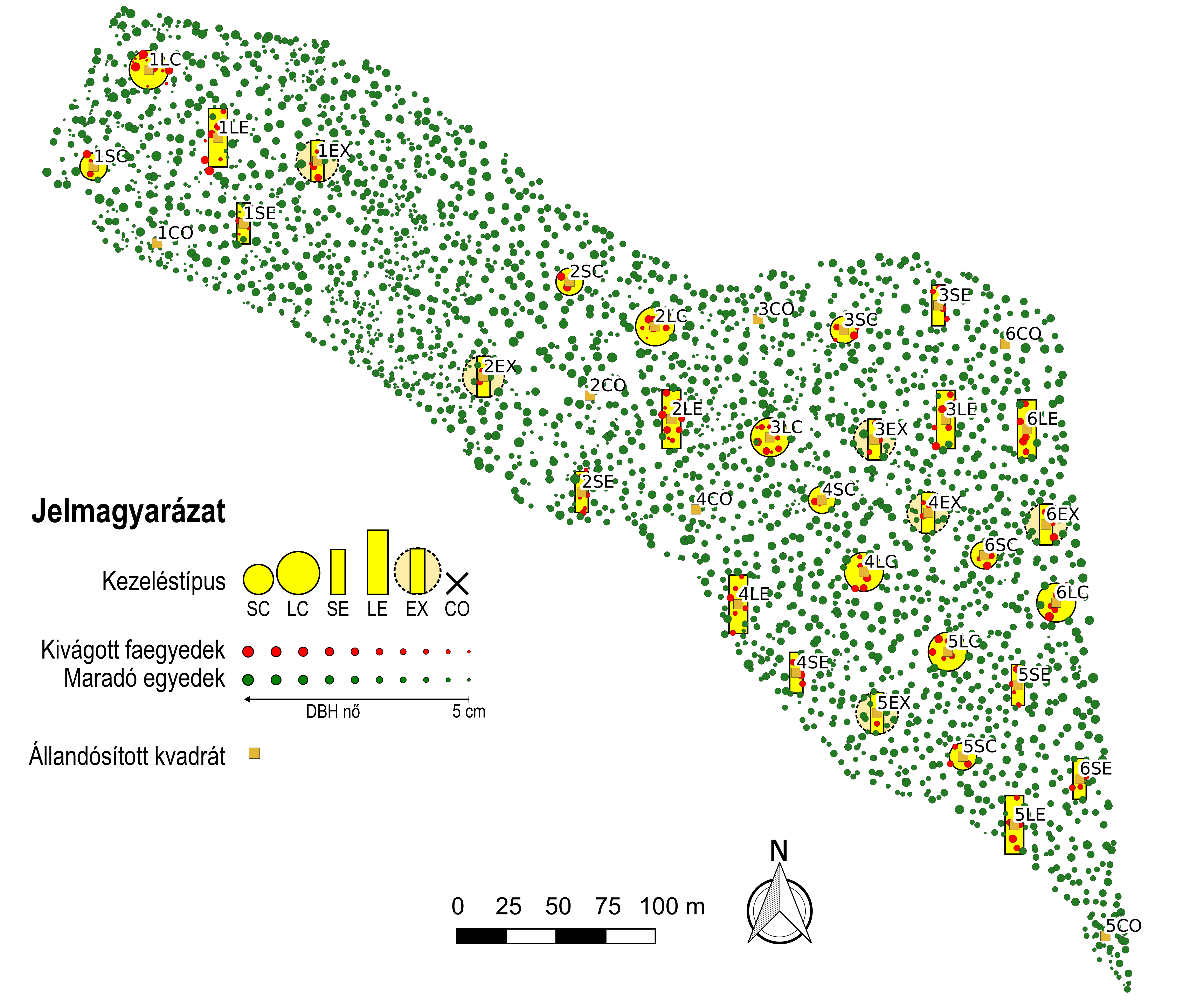
Figure 5 – “Distribution of treatments and replicates of the Pilis Gap Experiment. (Pilis Experiment Repository, No Date)”
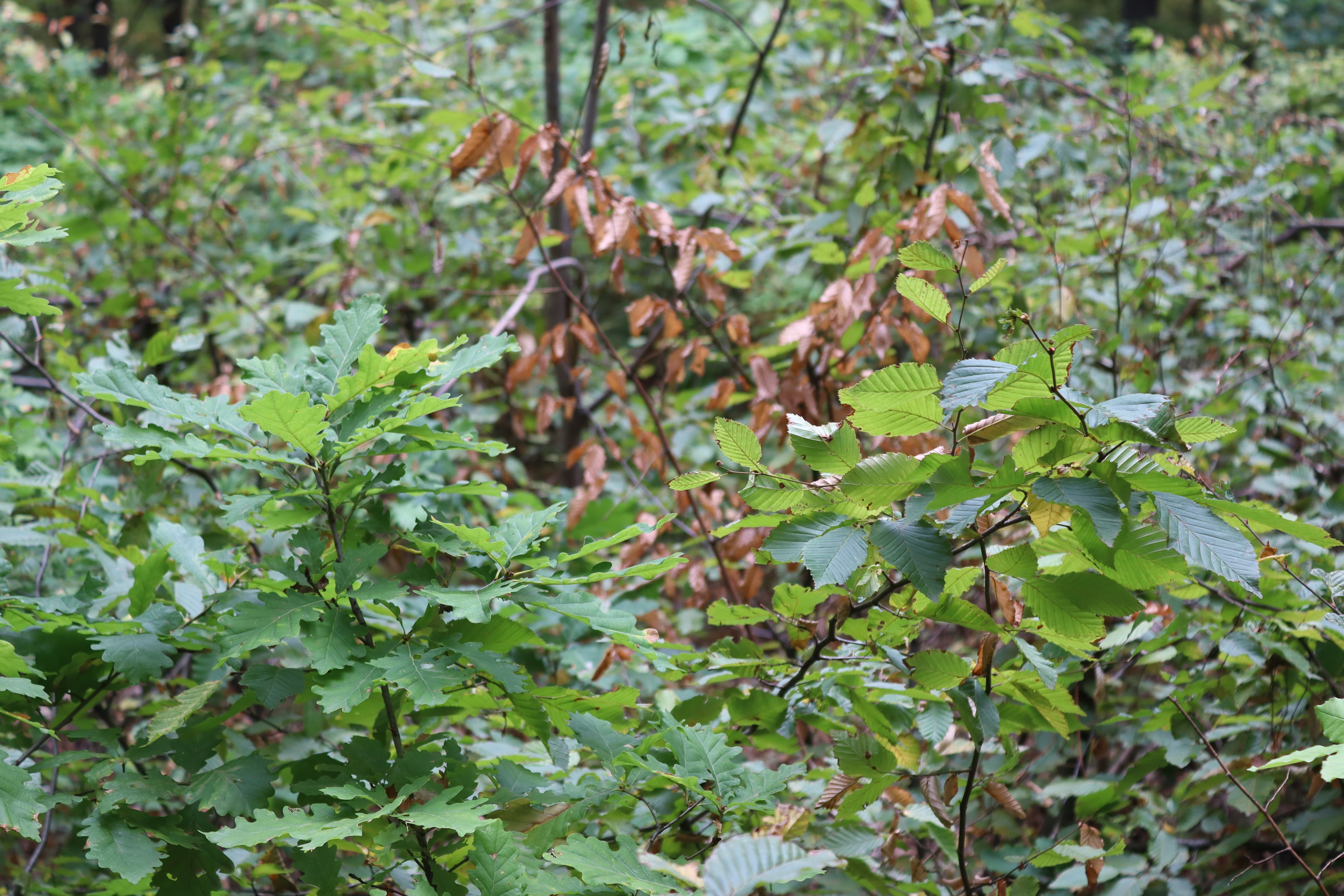
Figure 6 – “Competing regeneration between oak and hornbeam within the Pilis Gap Experiments (Source: Ben Wilson, 2026)”
Moving onto the next site, we begin a tour of the Mexikó-puszta forest, a Pro Silva Exemplary forest (Figure 7). The tree species composition (overstory) is common beech (52%), sessile oak (26%), hornbeam (13%) and common ash (Fraxinus excelsior, 9%). There are minor components of acer and hornbeam in the understory, these are only used for branch suppression/cleaning of frame trees. The age of the stand is 116 years and has a basal area of 21.9 m2/ha, mean annual increment is 9.2 m3/ha/yr and the current standing volume is 434 m3/ha. The most recent intervention was an improvement thinning in 2023 and a 3-year thinning cycle. The silvicultural aim here is to maintain an uneven-aged closer to nature forest with a target diameter for oak at 80cm and beech at 60-70cm. Across the stand, there are around 40 frame/final crop trees per hectare, marked with a green band. Trees are selected based on vitality, quality and spacing. Thinning began 30 years ago for oak. Currently, there is no thinning in the forest matrix, only crown thinning of frame trees. The thinning intensity target is 20% of the basal area. Experience of thinning in this stand has demonstrated that the crown thinning intervention has been financially viable, with no financial losses. Further, because of the committed management of this stand, a local increment model has been developed which has allowed the optimisation of a basal area to increment ratio to guide thinning intensity. To compliment the thinning, canopy gaps have been created and areas of temporary fencing erected to protect regeneration – tending of these gaps is on a 3-year cycle. All intervention operations have been carried out using a motor-manual skidding method. Considering the felling of larger diameter trees or frame trees, there are specific markings on the tree using bright spray paint. A slash (/) represents felling in a specific direction, two slashes (//) represents a directional fell with use of a winch and three slashes (///) represents the requirement to climb and dismantle the crown before felling. Alongside the productive element, across the 9.7ha stand, there are around 15 000 habitat trees which were identified as having tree-related microhabitats (TreMs), these individuals are marked with a blue ‘H’. This example forest stand has proven valuable not only for demonstrating how a productive forest can be managed under CCF, but also in providing a training environment for foresters, researchers and students to develop practical thinning and marking skills.
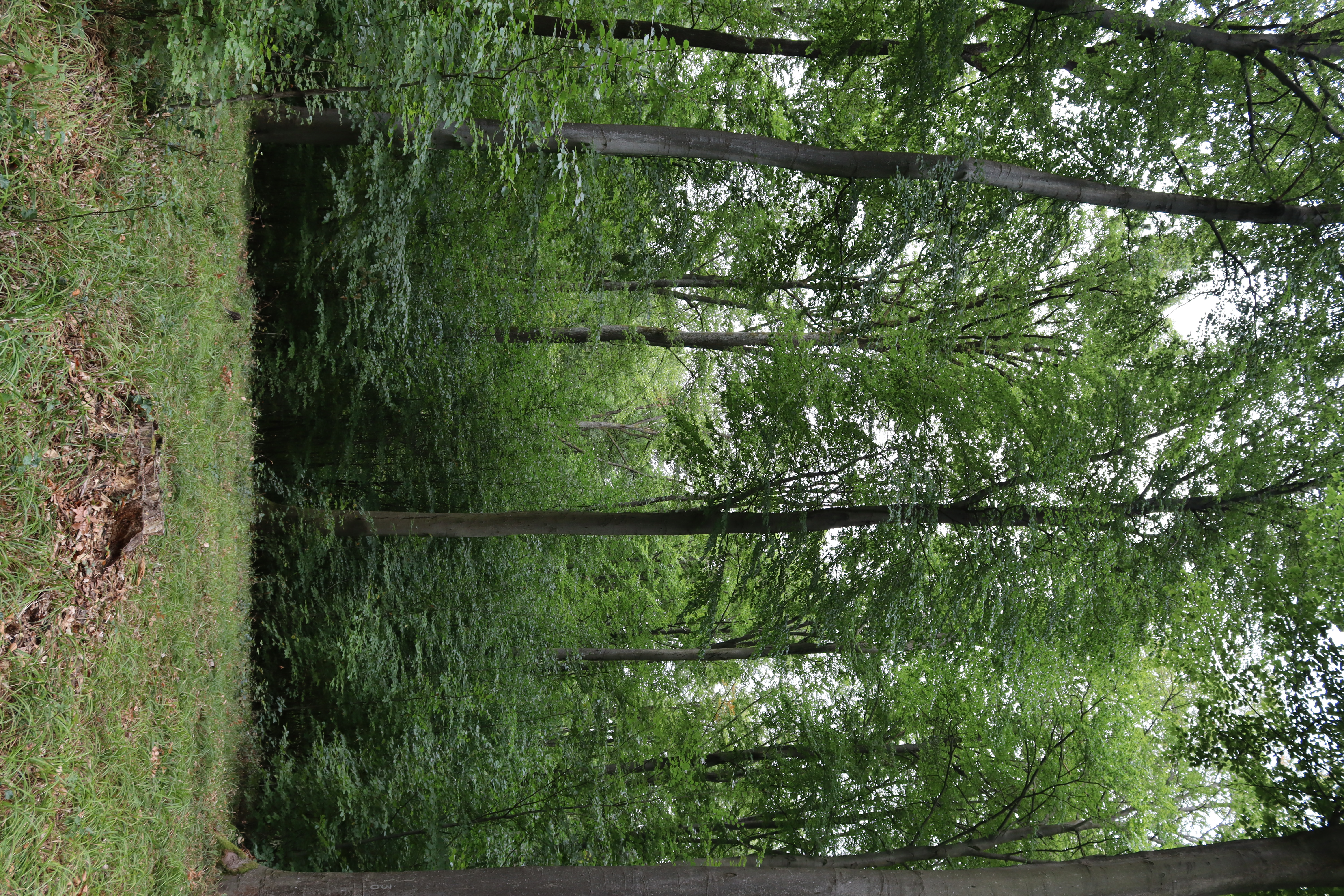
Figure 7 – “The Mexikó-puszta exemplary forest (Source: Ben Wilson, 2026)”
On the final day, the first visit took us to the east of the Danube to the Gödöllő Hills on the Great Alföld Plain. Currently, the forest stand is managed as even-aged after a clear cut in 2001. The main tree species are Turkey oak, grey poplar (Populus x canescens) and sessile oak. The soils here are very different to the deep brown earths around the Pilis forests, they have a very high sand content heavily influenced by the Danube basin. The primary challenge here is not related to transformation to CCF but is due to the high populations of the common cockchafer (Melolontha melolontha). Although these insects are rather charismatic with their feathered antenna, their larval cycle of 3 – 5 years relies on fine tree roots as a food source. The foresters here were trying to establish turkey oak through planting, but the larvae in combination with intense drought resulted in large scale tree mortality. To combat this, there was a shift from direct planting to sewing acorns which results in a higher initial density to account for mortality. Further, grey poplar seedlings were planted at wide spacing which provides both shading (the cockchafer prefers warmer soils) and more palatable fine roots for the larvae to feed on. Although the grey poplar was valuable in establishing the primary oak species, it has led to management challenges as a competitor. Mechanical removal was trialled at first, but the inevitable vigorous suckering continued the competition issue. Ultimately, the foresters opted for stem injection of herbicide to control the poplar competitors. These methods have successfully established a (currently) even-aged stand which will undergo transformation to irregular forestry. However, the use of herbicide may not be appropriate in the long-term.
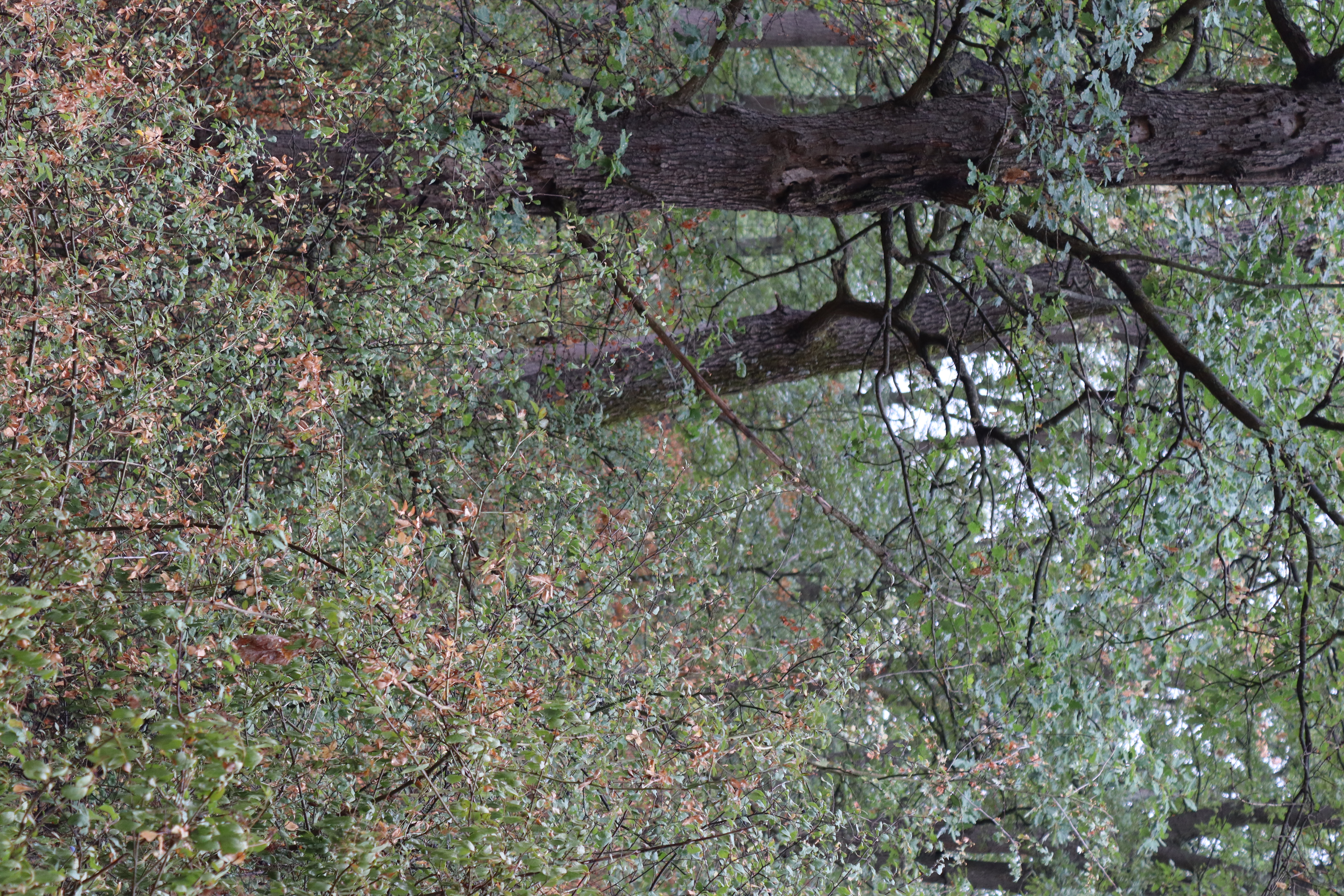
“Turkey overstory with hornbeam understory (Source: Ben Wilson, 2026)”
The final site visit of the tour was to the Visegrád Forestry Unit of Pilisi Parkerdő Zrt, specifically sub-compartment 77/A. The development of this stand is largely due to proactive management from Dr László Madas in the 1950’s. Initially, several tree ring analyses were conducted to set a baseline for increment of standing beech trees after windthrow events created gaps in the stand (Figure 9). Following this, a detailed thirty-year production plan was created for the now 100-year-old beech stand. Using tree ring increment data and established crown diameter and DBH data, László planned thinning interventions and volumes to be extracted, focussing on a selection silvicultural system. Subsequently in 1992, László revisited his methodology and carried out a forest inventory, this confirmed that the silvicultural interventions proposed in the early 50’s were accurate. In 1954 when László began this work, the 22.98ha sub-compartment had a growing stock of 9,455 m3, when revisited in 2002 the volume was 9,194 m3. Although this a reduction in standing volume of 261 m3 in the 48-year period, there was a harvested volume within that period of 5,209 m3. Research is still ongoing in the stand, not only relating to increment and volume, but also to biodiversity across a wide range of taxa and niches in collaboration with the HUN-REN Centre for Ecological Research.
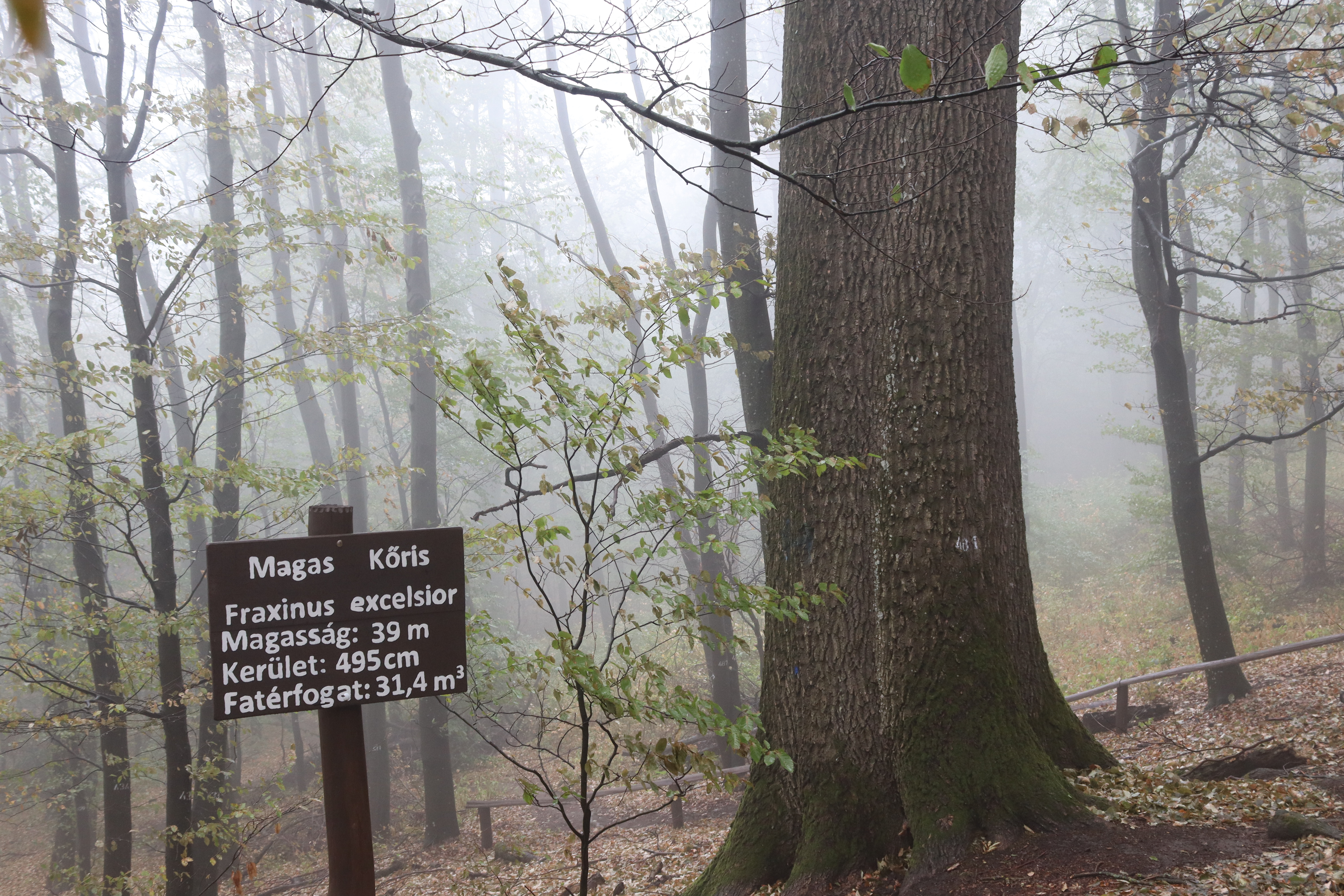
Figure 9 – “An impressive ash within sub-compartment 77/A. Height – 39m, DBH – 158 cm, Volume – 31.4 m3” (Source: Ben Wilson, 2026)”
To round off the Pro Silva Annual Study Tour 2026 in some form of succinct summary is somewhat of a challenge. Throughout all the site visits, there was a demonstrated learning and implementation as a result of a long history of forest management from the Pilis Park Forest Company. There were examples of active silviculture and forest management which have been guided by historic practice in Hungary and are now being applied considering climate change and the ever-intensifying effects on forests and biodiversity (Figure 10). A valuable aspect of forestry in this area of Hungary was the well-developed and reciprocal relationship between researchers and practitioners allowing knowledge exchange and research outputs with real-world impact. Although the productive forest tree species in these forests are in contrast to the Sitka spruce in my own research, the silvicultural practice is not that distant.
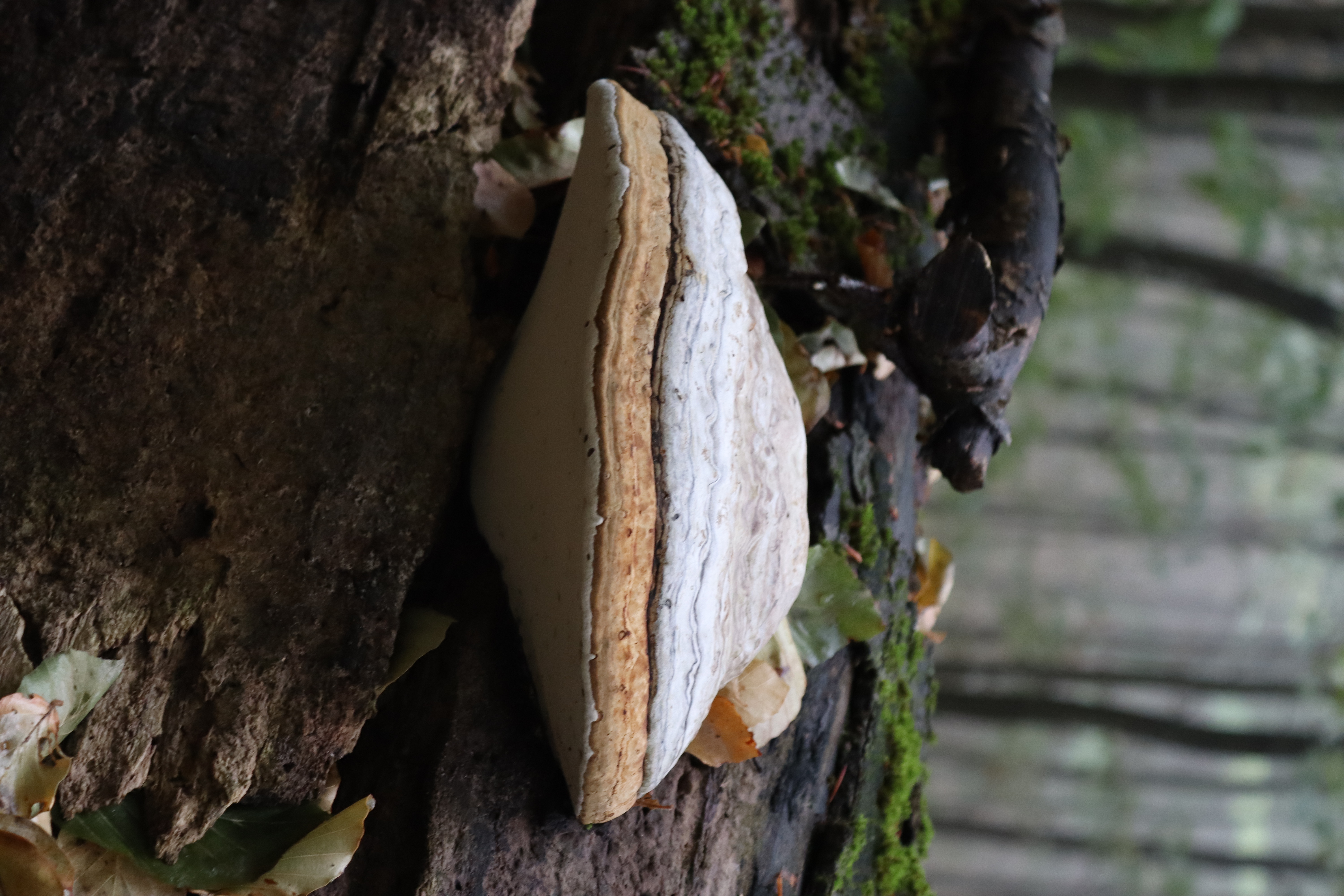
Figure 10 – “Tinder fungus (Fomes fomentarius) on a decaying beech tree in sub-compartment 77/A”
Finally, I would like to thank The Scottish Forestry Trust for continuing support in my PhD research and my attendance to the Pro Silva annual meeting through the Early Career Researchers Fund.
References
Pilis Experiment Repository (No Date) Homepage. Available at: https://piliskiserlet.ecolres.hu/
Széchy A and Szerényi Z. (2023) Valuing the Recreational Services Provided by Hungary’s Forest Ecosystems. Sustainability. 15(5), 3924. Available at: https://www.mdpi.com/2071-1050/15/5/3924